
SIE promotes design as a driving force behind high-quality tourism at the Tourism & Design Summit
Spain is Excellence, together with the Design Institute of Spain (D!OS) and 110 Perceb, helped organise the first


CONTACT


Once upon a time, in the cold fields and villages of Catalonia, there was a tradition that made Christmas even more special: the Tió de Nadala magic log with a smiling face. In the days before Christmas, families would look after him, feeding him with sweets and fruit, while covering him with a blanket. When Christmas Eve arrived, the children, filled with excitement, would gather to sing the famous song "Caga Tió and, with sticks in hand, they tapped gently on the trunk, asking for gifts.
Magic happened: the Tió, which had been given so much affection, responded to everyone's expectations with delicious nougat, sweets and small gifts. Joy and laughter filled the homes, and every blow to the Tió seemed to fill the air with hope and sweetness. Despite being just a trunk, the Tió de Nadal represented generosity, family togetherness and the true spirit of Christmas: the magic of giving and receiving in the simplest of moments.
The Tió was not only a symbol of Christmas, but of tradition that transcended generations. Families would gather around the trunk, making memories and sharing laughter, while the Tió continued its mysterious mission: to make every Christmas a celebration full of surprises, magic and love. And so, year after year, the Tió de Nadal continued to spread joy, no matter what happened, becoming a tale that never ceased to be lived.
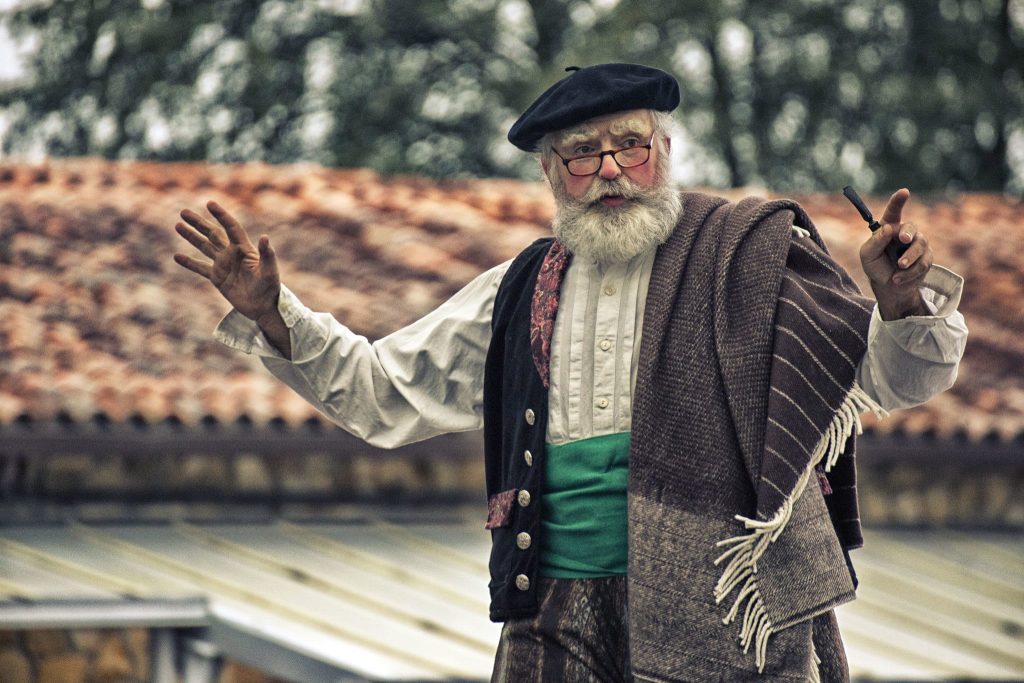
Many years ago, in the region of Navarre, a kind fairy found an abandoned baby near a river. Moved by his suffering, she promised him that he would be someone special and named him Olentzero, giving him three great gifts: strength, courage and generosity. She took him to a humble family who were unable to have children, and Olentzero grew up learning the trade of woodcutter and charcoal burner.
Deep in the cold green mountains of the Basque Country, Olentzero lived a solitary life, but always ready to help others. His big heart made him loved by everyone, although he was rarely seen. On the coldest days of winter, when snow covered the landscape, he would take it upon himself to distribute firewood and coal to those most in need, making sure that no one was cold. One night, as the wind howled through the trees and the snow fell heavily, Olentzero saw a shining star in the sky, signalling the birth of a child who would change the world. Excited, he decided to go down to the village to bring joy to the children and share the Christmas spirit.
On 25 December, Olentzero prepared a sack with sweets, handmade toys and coal, so that the children of the village would have something to cheer them up. When he arrived, the children greeted him with smiles, surprised to see the big man of the forest on such a cold night. With his kind face, Olentzero gave them their presents and taught them a lesson about generosity and love. From that Christmas, Olentzero became a symbol of Christmas in the Basque Country and Navarre. Every 25th December, he carved wooden toys and left them in houses, leaving a trail of hope and magic. Thus, his legend lives on, reminding everyone of the importance of giving without expecting anything in return.

Once upon a time, in the distant lands of the East, there were three wise kings who were known for their wisdom and generosity. Melchior, Gaspar and Balthasar came from different corners of the world and, guided by a bright star, they set out on a long journey to a humble manger in Bethlehem. The star, which appeared in the sky, pointed the way to the baby Jesus, who had been born to bring hope and light to the world.
During their journey, the three kings crossed deserts and mountains, carrying with them precious gifts: gold, frankincense and myrrh. Each of these gifts had a special meaning: the gold symbolised royalty, the frankincense represented divinity and the myrrh, a sacred oil, was a symbol of humanity and the sacrifices that the child Jesus would be destined to make for the world.
When they finally arrived at the manger, the three kings prostrated themselves before the child and his mother, the Virgin Mary, and offered him their gifts. It was an act of veneration and respect for the child, who, although small and humble, brought with him a light that would change the course of history. Since then, every January 6th, children look forward to the arrival of the Three Wise Men, who represent goodness, wisdom and hope, bringing gifts not only to children, but to all those who believe in the magic of Christmas.

In Bethlehem, shepherds were hurrying to bring gifts to the baby Jesus, but a little shepherd girl had nothing to offer. Sad, she went to a well and, looking in, saw a shining star in the water. She decided to take it as a gift for the baby Jesus and carefully put it in a bucket. As he made his way to the manger, he looked often to make sure the star was safe.
When she arrived at the crib and showed the star, she realised that it was no longer there, as the ceiling of the crib did not reflect the star in the water. The little girl began to cry, sad that she could not give the baby Jesus the gift she had imagined. However, something miraculous happened: from her tears, stars began to rise, one of which rose up into the sky so brightly that it illuminated the place, announcing the birth of Jesus.
The baby Jesus smiled at the little girl's gesture, and the star that rose into the sky became a symbol of the light that guides believers towards love and hope. Since then, every Christmas we place a star above the crib, in remembrance of the most beautiful gift: the pure and sincere love of the little shepherdess.
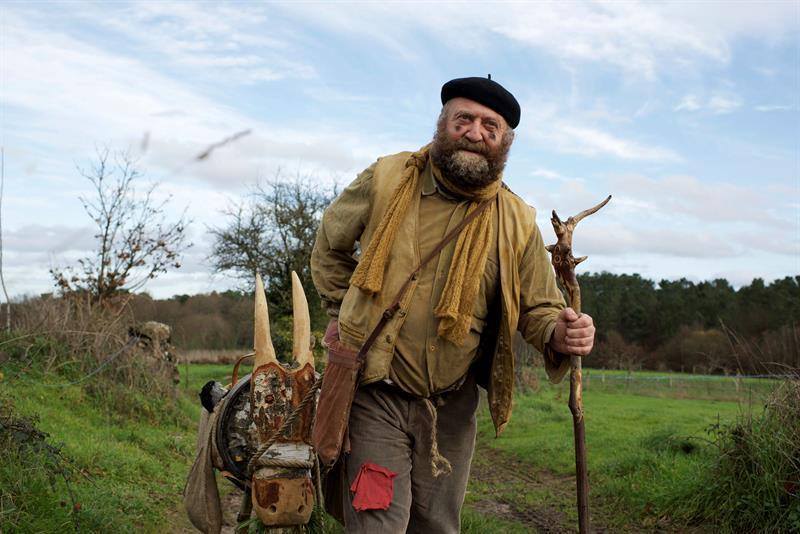
In the mountains of Galicia, every Christmas, the Apalpador, a big, affable man with a red beard and a beret, would go down to the villages to make sure the children were well fed. With his sack full of chestnuts, he would go round the houses, touching the little ones' tummies to see if they had eaten enough during the year. If he found that they were well fed, he would leave them a reward: some chestnuts or, in time, toys, clothes or sweets, as a symbol of generosity and abundance.
But not all children understood the importance of eating well and being obedient. Miguel, a naughty boy with a poor appetite, used to refuse food, causing his parents to despair. One day, his parents warned him that if he did not eat well, the Apalpador would not leave him any presents. However, Miguel, determined to avoid punishment, ate as much as he could in a single binge before Christmas Eve, hoping to trick the good man. But his plan did not work out as he had hoped.
That night, when the Apalpador arrived, Miguel tried to sleep soundly to avoid being touched on his belly, but the Apalpador was not fooled. With a wise look, he touched Miguel's tummy, relieving his indigestion, but told him that he did not deserve presents, as he had not listened to his parents' advice. When Miguel woke up, he found coal instead of toys, realising that the real reward came from his effort to be obedient and eat well. From then on, he understood that the Scrooge brought not only gifts, but also valuable lessons about kindness and responsibility.
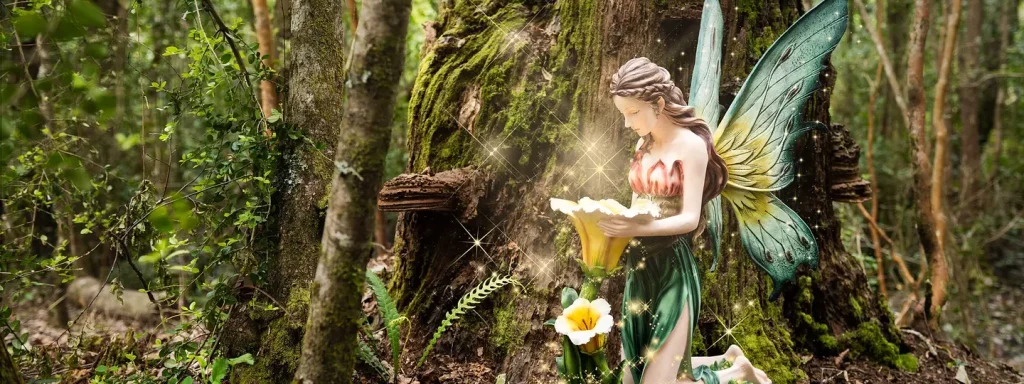
On a cold winter's night, the mountains of Cantabria were covered with a layer of glittering snow. In the darkest corners of their forests, little fairies known as the Anjanas awoke from their long rest. Wearing crowns of flowers and silk dresses, they crept out to fulfil their special mission: to help those most in need. These fairies, who lived in harmony with nature, were known for their generosity, but also for their power to punish the selfish and cruel.
Every four years, Twelfth Night took on a magical touch, as the Anjanas travelled through the poorest villages. The homes of humble families would receive, at dawn, clothes and toys lovingly left by these creatures of light. The Anjanas only appeared in homes where there were needy children, those whose lives were marked by economic hardship. In the darkness, they would leave a small gift, unseen, as an act of hope in difficult times.
It was a long-awaited tradition, representing not only the miracle of Christmas, but also the symbolism of the goodness that lived in nature itself. The Anjanas, in their generosity, made sure that even the smallest children, despite their poverty, could feel the magic of Christmas. While the children slept peacefully, dreaming of a future full of hope, the Anjanas returned to the forest, leaving behind a trail of kindness and the memory of an act of solidarity that was passed down from generation to generation.

Many years ago, in a small town of Nazareth, God sent the archangel Gabriel with a special message for a young girl named Mary. "You are going to have a son," Gabriel told her, "and his name will be Jesus. He will be the Son of the Most High, and he will reign forever. Mary, surprised, asked him how that could be, since she was a virgin. Gabriel explained that the child would be conceived by the Holy Spirit, the son of God himself. Although surprised, Mary humbly accepted her divine mission.
Mary, who was betrothed to Joseph, a humble carpenter, shared with him what had happened. Joseph, at first suspicious, saw in a dream a message from the angel confirming the truth. From then on, he decided to support Mary at all times. On 24 December, according to the command of Emperor Caesar Augustus, Mary and Joseph set out on a long journey to Bethlehem, because everyone had to be counted. Joseph walked with Mary, who was riding on a donkey as she was about to give birth. When they arrived, they found that there was no room in the inns, but a good man offered them his humble stable, where they took refuge.
That night, in the darkness of the stable, the baby Jesus was born and placed in a manger. In the sky, a star shone brighter than ever, signalling the birth of the King. Far away in the East, three wise astronomers saw the star and knew that a new king had been born. Melchior, Gaspar and Balthasar followed the star to Bethlehem, where they offered the child gold, frankincense and myrrh. Meanwhile, King Herod, fearful of the news, ordered the slaughter of the innocents. Mary and Joseph fled to Egypt, and returned after Herod's death, settling in Nazareth. Thus, the Child Jesus grew up and lived there, while the tradition of giving and celebrating his birth continued with the arrival of the Magi every 5th of January.
SIE promotes design as a driving force behind high-quality tourism at the Tourism & Design Summit
Spain is Excellence, together with the Design Institute of Spain (D!OS) and 110 Perceb, helped organise the first

Spain is tapping into the luxury tourism market in Brazil and Argentina through SIE
SIE, Spain Is Excellence, brought Spanish excellence to Brazil and Argentina with a trade mission that connected its
Brach Madrid reinterprets tradition with its Black Angus beef cheek
Brach Madrid Restaurant reinterprets traditional cuisine with its Black Angus beef cheeks, a dish created by Eugenio Fragomeni that combines charcoal grilling,
